


George Beautification Project Earns Heritage Garden Certification
By Marylou Krautscheid, Grant-Adams Master Gardener
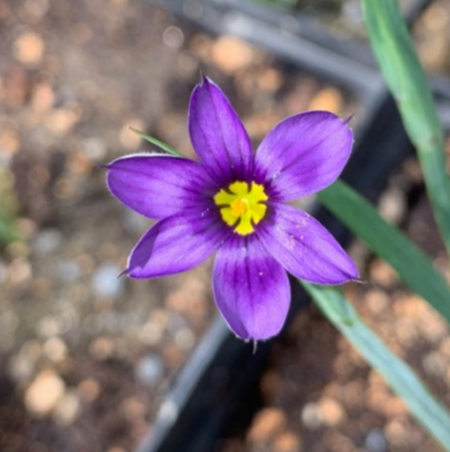
The City of George, Washington, was officially certified as a Heritage Garden in June in recognition of its drought-tolerant beautification project along Montmorency Boulevard. The project was developed through a partnership between the City of George, the WSU Extension Grant-Adams Master Gardeners, and the Columbia Basin Conservation District (CBCD). What was once a landscape of water-intensive petunias has been transformed into a vibrant, water-wise garden featuring more than 200 drought tolerant plants representing over 40 different species.

The conversion began in the fall of 2025 and has been maintained by the Grant-Adams Master Gardeners under the leadership of Master Gardener Marylou Krautscheid. With declining water availability from the local aquifer, the project has dramatically reduced irrigation needs. Instead of watering the former petunia beds two to three times each week, the new landscape now requires watering only once every two weeks after establishment.

Drought-tolerant plants develop deep root systems, often extending well beyond six inches into the soil. During the first year, they require proper planting and regular watering while their roots become established, and above-ground growth is often minimal. By the second year, the plants begin to flourish, and by the third year, they produce abundant blooms. Although establishing a drought-tolerant garden requires patience, the long-term rewards are significant. Once established, these plants continue to thrive for years with minimal water, and many naturally reseed themselves, providing lasting beauty to the landscape.

Beyond their visual appeal, drought-tolerant landscapes provide valuable habitat for a wide variety of pollinators, including bees, butterflies, beetles, birds, bats, and flies. By selecting plants that bloom at different times throughout the spring and summer, gardeners can provide a continuous food source that supports healthy pollinator populations throughout the growing season.

The Heritage Garden Program is dedicated to creating water-wise landscapes throughout the arid Columbia River Basin of Washington State while celebrating the regions unique natural and cultural heritage. With only 7 to 11 inches of annual precipitation, incorporating native and low-water-use plants is a practical and sustainable choice. These landscapes conserve water, reduce maintenance costs, and create important habitat for wildlife.
The Columbia Basin Conservation District staff are available to assist homeowners and communities with planning new landscapes, improving irrigation efficiency, and incorporating native and drought-tolerant plants into existing gardens. The CBCD staff are available to help with planning as well as troubleshooting current gardens and lawns for more water-efficiency and use of native plants.
Interested in Learning More About the Heritage Garden Program?
Contact Yazmin Mejia, CBCD Heritage Garden Program Coordinator
(509) 771-4056 | yazmin-mejia@columbiabasincd.org



Comments